ATLANTA, GA — Georgia’s modern death penalty era has stretched across more than four decades, covering some of the state’s most notorious murder cases and some of its most closely watched appeals. Since executions resumed in 1983, the state has put 77 people to death, including 76 men and one woman.
The most recent execution was carried out in March 2024, when Willie James Pye was put to death by lethal injection. Georgia has not executed anyone since then, but that could change if Stacey Ian Humphreys’ scheduled execution goes forward for the 2003 killings of two Cobb County real estate agents.
How Georgia’s modern execution era began after the Supreme Court reopened capital punishment
Georgia’s current execution history starts with a major legal reset in the 1970s. In Furman v. Georgia in 1972, the U.S. Supreme Court struck down existing death penalty laws, saying the way capital punishment was being applied violated the Constitution.
Georgia rewrote its sentencing system, and in 1976 the Supreme Court upheld the revised law in Gregg v. Georgia. That ruling cleared the way for executions to resume, although the state did not immediately carry one out. Seven years passed before Georgia executed another prisoner.
That long pause ended in 1983, when John Eldon Smith became the first person executed in Georgia’s modern death penalty period. He died in the electric chair for a Bibb County murder, beginning a new phase of capital punishment that would continue in changing forms for decades.
Electrocution dominated Georgia executions until the state changed its method in 2001
For most of the 1980s and 1990s, Georgia relied on the electric chair. Over the 15 years after executions resumed, 23 people were put to death by electrocution. The list included a mix of cases that drew little public attention and others that later became well known across the country.
Among the better-known names was Warren McCleskey, executed in 1991 after his challenge over alleged racial disparities in Georgia’s capital sentencing system was rejected by the U.S. Supreme Court. David Loomis Cargill, executed in 1998, became the last person Georgia killed by electric chair.
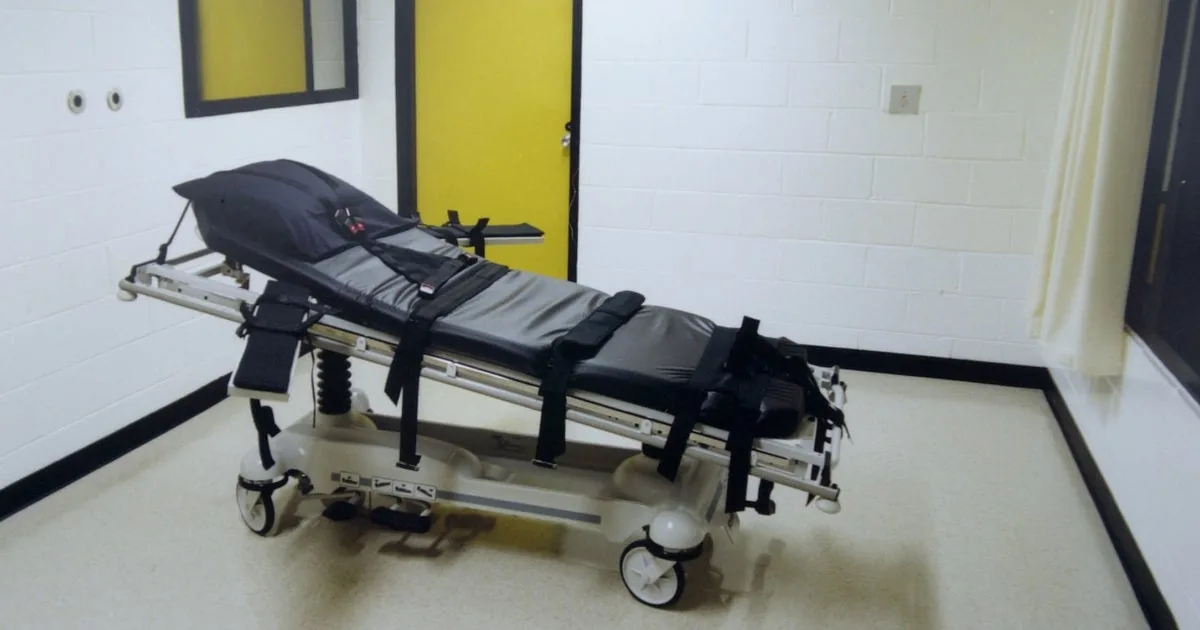
In 2000, lawmakers approved lethal injection. The issue was settled the next year when the Georgia Supreme Court ruled that electrocution was cruel and unusual punishment under the state constitution. From that point on, lethal injection became the method for inmates already on death row and for future executions.
A run of lethal-injection executions included some of Georgia’s most publicized cases
Georgia began using lethal injection in 2001, starting with Terry Michael Mincey on Oct. 25. Three more executions followed that year, and the pace continued through the early 2000s with multiple deaths each year.
The cases included Carl Junior Isaacs, executed in 2003 for his role in the 1973 Alday family murders in Seminole County, one of the most infamous mass killings in Georgia history. In 2005, the state executed Stephen Anthony Mobley and Robert Dale Conklin, among others, before a quiet period in 2006.
Executions then picked up again, with cases such as Jack Edward Alderman in 2008 and Brandon Joseph Rhode in 2010. The pattern showed that Georgia was still using capital punishment regularly, even as the national pace of executions slowed over time.
Troy Davis and Kelly Gissendaner drew worldwide attention to Georgia’s death penalty
Some of Georgia’s executions went far beyond state borders. Troy Anthony Davis was executed in 2011 for the 1989 murder of off-duty Savannah police Officer Mark Allen MacPhail. His case drew global attention because supporters, including prominent figures and organizations, raised questions about witness testimony and Davis’ claims of innocence.
Georgia carried out the execution despite those appeals. Four years later, Kelly Renee Gissendaner became the only woman executed in the state since executions resumed in 1983. She was put to death in 2015 for arranging the 1997 killing of her husband, Douglas Gissendaner, in Gwinnett County.
Gregory Owen carried out the killing and later testified against her, receiving a life sentence. Her case also brought international appeals for clemency, adding to the list of Georgia executions that became national and international flashpoints.
Executions slowed after 2016, then resumed in 2024 with Willie James Pye
Georgia’s busiest modern execution year came in 2016, when nine people were put to death. After that, the pace fell sharply. The state executed only one person in 2017, three in 2018, three in 2019 and one in 2020.
Then Georgia went more than four years without an execution. That stretch ended on March 20, 2024, when Willie James Pye, 59, was executed by lethal injection for the 1993 kidnapping, rape and murder of Alicia Lynn Yarbrough.
Pye had been convicted and sentenced to death in 1996. His lawyers sought clemency and argued questions about intellectual disability, but those efforts did not stop the execution. Pye became the 77th person executed in Georgia since the death penalty was reinstated.
Stacey Humphreys is next in line as Georgia reviews a 2003 double murder case
Georgia could soon add another name to that history. Stacey Ian Humphreys is scheduled for execution at 7 p.m. Wednesday, Sept. 16, at the Georgia Diagnostic and Classification Prison in Jackson. He was convicted in Cobb County in the murders of real estate agents Cyndi Williams and Lori Brown in 2003.
If the execution proceeds, Humphreys would become the 78th person executed in Georgia since executions resumed in 1983 and the 55th put to death by lethal injection. His attorneys are still trying to stop it, while the Georgia State Board of Pardons and Paroles is considering his clemency request.
As of Sept. 15, 2026, Georgia has not carried out another execution since Willie James Pye. Whether that changes now depends on the clemency process and any court action before the scheduled time.